How to Import Paper from Indonesia: A Step-by-Step Guide
Indonesia is a significant exporter of paper and paperboard, from kraft and liner to duplex and tissue. For importers, sourcing from Indonesia can offer competitive pricing and reliable supply — but a smooth first transaction depends on understanding the process. From qualifying a supplier to agreeing on Incoterms and handling documentation, this step-by-step guide walks you through how to import paper from Indonesia with confidence.
- Indonesia exports kraft, liner, duplex, tissue, and specialty papers
- Start with clear specifications and a sample before bulk orders
- Agree Incoterms (FOB, CIF) and payment terms in writing
- Confirm documentation: invoice, packing list, B/L, certificate of origin
- A reliable supplier makes the first order straightforward
Step 1: Define your specifications
Before contacting any supplier, write down exactly what you need: paper type (kraft, liner, duplex, etc.), grammage (GSM), dimensions or roll width, key strength specifications, and the volume you intend to order. Clear specifications let suppliers quote accurately and prevent misunderstandings later. If you are unsure of the exact grade, describe the end use — for example, the product you are packaging — and let the supplier recommend a suitable specification.
Step 2: Find and qualify suppliers
Identify several candidate suppliers and assess them before committing. A good supplier is responsive, transparent, and able to demonstrate consistent quality. Look for these signals when qualifying a supplier:
- A clear technical data sheet for the grade you need.
- Willingness to provide a representative sample.
- Experience with export packing and documentation.
- References or a track record in your market.
Step 3: Request samples and confirm quality
Never place a large first order without seeing the product. Request a representative sample and, where possible, test it against your requirements — grammage, strength, surface, and printability. Confirm in writing the agreed specifications and tolerances that the bulk order must match. This sample becomes your reference point: the shipment you receive should match it. A supplier who is confident in their quality will be happy to provide samples and to certify each production run against the agreed data sheet.
Step 4: Agree Incoterms and pricing
Incoterms define who is responsible for freight, insurance, and risk at each stage of shipping. The most common in paper trade are FOB (you arrange main freight from the port) and CIF (the supplier arranges freight and insurance to your destination port). Make sure the quote clearly states the Incoterm, the currency, and what is included. When comparing offers, standardize on the same Incoterm and specification so you are comparing like for like rather than being misled by a lower headline price that excludes freight.
Step 5: Confirm documentation and payment
International trade runs on documents, and getting them right ensures smooth customs clearance. Typical documents for a paper shipment include the commercial invoice, packing list, bill of lading, certificate of origin, and a mill certificate or technical data sheet. Discuss payment terms early — methods such as a letter of credit or telegraphic transfer with an agreed deposit are common — and make sure both parties understand the schedule. Aligning on documentation and payment before production avoids delays at the port.
Step 6: Plan shipping and receiving
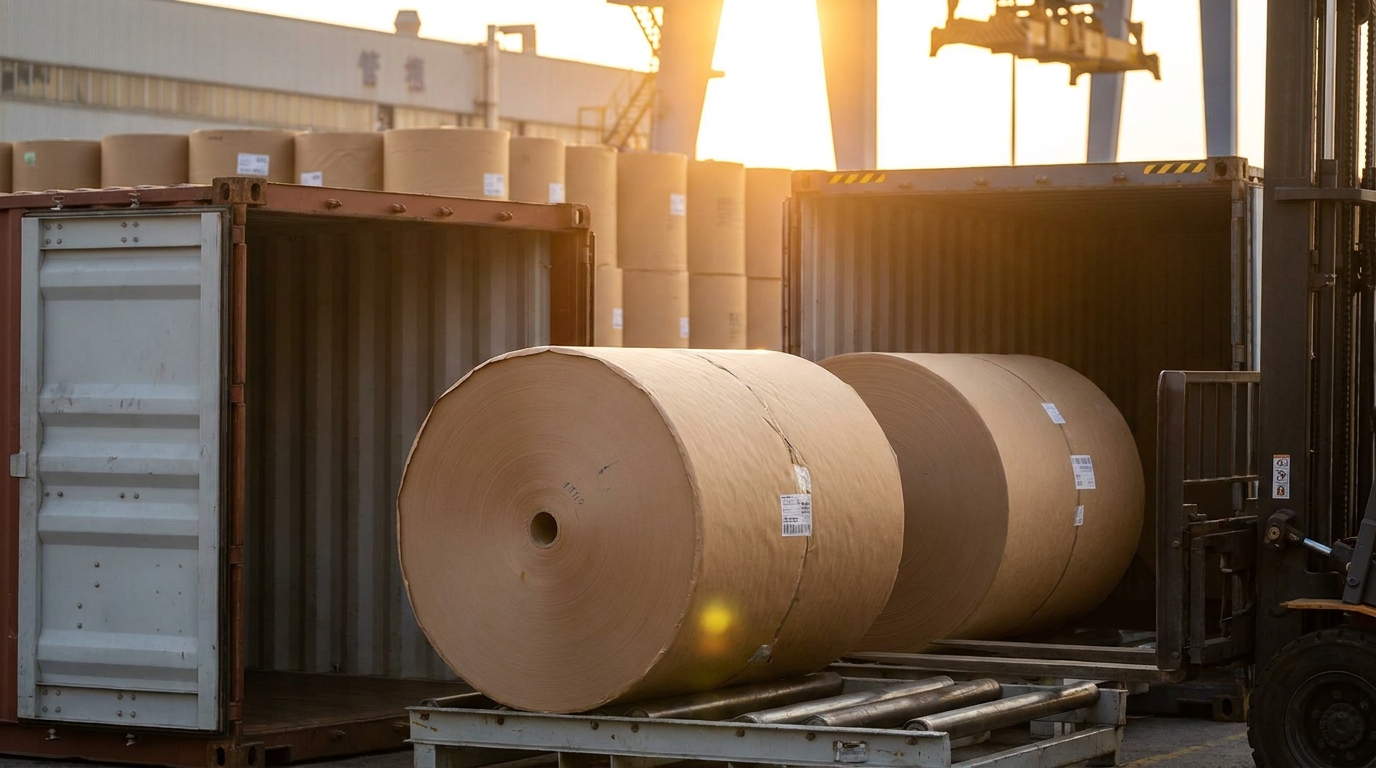
Finally, plan the logistics. Paper is usually shipped as palletized reels or sheets in containers, protected against moisture and edge damage. Confirm the packing method, the expected transit time, and the container handling so the paper arrives in specification. On arrival, inspect the shipment against your sample and documents before accepting it. Keeping good records of each order — specifications, certificates, and inspection notes — makes repeat ordering faster and builds a dependable supply relationship over time.
Frequently Asked Questions
What is the minimum order quantity for importing paper?
It varies by supplier and grade, but bulk paper is often sold by the tonne or by full container load. Discuss your volume with the supplier; many can advise on the most economical order size for your needs.
Which Incoterms are best for first-time importers?
CIF is often simpler for newcomers because the supplier arranges freight and insurance to your destination port. As you gain experience, FOB can give you more control over shipping costs.
What documents do I need to import paper?
Typically a commercial invoice, packing list, bill of lading, certificate of origin, and a mill certificate or technical data sheet. Your customs broker can confirm any additional requirements for your country.
Looking to import Indonesian paper or paperboard? Contact our export team for a quote and specifications.
Contact Us